How Uganda's Tourism could be affected by Sovereignty Bill
- Apr 30
- 3 min read
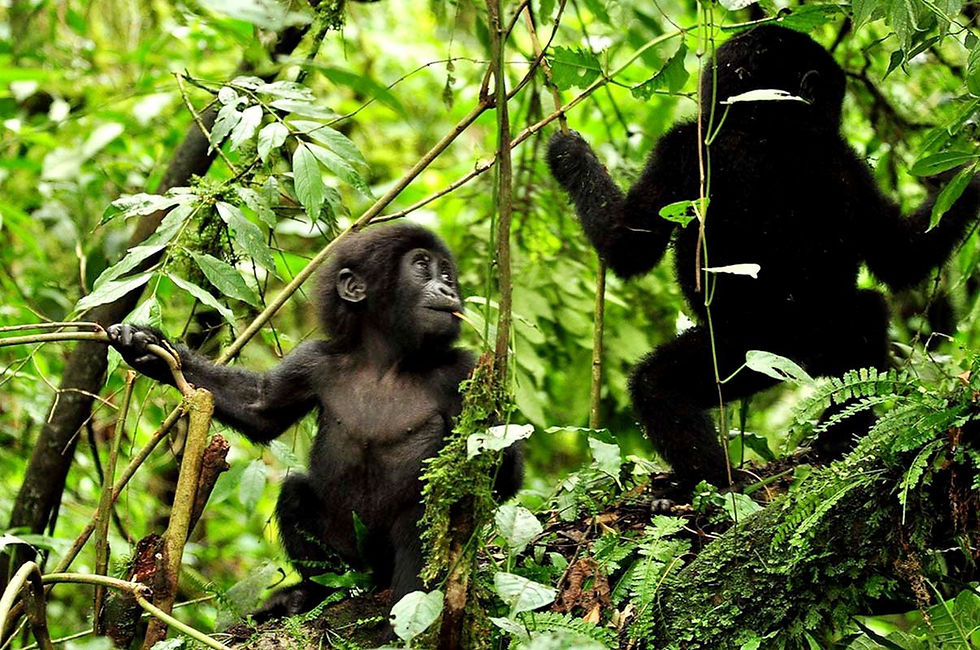
Uganda’s tourism industry is one of the country’s biggest success stories. From gorilla trekking in Bwindi to game drives in Queen Elizabeth, thousands of visitors come in every year—bringing in foreign exchange and supporting local jobs.
But now, the proposed Protection of Sovereignty Bill, 2026 is raising an important question:
Could this law affect tourism in Uganda?
Let’s break it down in a simple, real way.
Why This Bill Matters for Tourism
Tourism in Uganda is built on international connections.
Tourists come from abroad
Tour companies work with foreign clients
Lodges are often funded by international investors
Even marketing is done globally
So when a law starts regulating foreign funding and foreign relationships, tourism naturally gets caught in the middle.
1. Tour Operators Could Face More Restrictions
If you run a tour company in Uganda, chances are:
Your clients are from Europe, the US, or Asia
Payments come from abroad
You partner with foreign travel agents
Under the bill, this could mean being classified as a “foreign agent.”
That might require:
Registration with the government
Approval for certain payments
More paperwork
For big companies, that’s manageable.
For small tour operators? It could slow things down or even push some out.
2. Foreign Investment in Tourism May Slow Down
Think about how tourism grows:
New safari lodges
Boutique hotels
Eco-tourism projects
Conservation partnerships
Most of these rely on foreign investment.
But the bill requires approval for large foreign funding (above UGX 400 million). That might not sound huge, but in tourism, that’s actually a small budget.
Investors don’t like uncertainty.
If approval becomes slow or unpredictable, they may invest elsewhere—like Kenya or Tanzania.
3. Diaspora Tourism Could Be Affected
Ugandans living abroad play a big role in tourism:
They visit home with friends
They invest in lodges and Airbnb businesses
They promote Uganda internationally
But if their money is treated as foreign funding, it could:
Require approvals
Create delays
Discourage investment
That’s a quiet but powerful hit to tourism growth.
4. Uganda’s Image as a Destination Matters
Tourism is not just about places—it’s about perception.
Visitors want to feel:
Safe
Welcome
Free to travel
If a country is seen as:
Too restrictive
Too regulated
Not transparent
Tourists may simply choose another destination.
Even the idea of laws that limit information or control foreign interaction can make travelers hesitant—especially first-time visitors.
5. More Costs and Paperwork for Tourism Businesses
Let’s be real—tourism businesses already deal with:
Permits
Park fees
Licenses
Taxes
Adding:
Registration as foreign agents
Approval processes
Compliance checks
Means more costs and more time spent on paperwork instead of customers.
And in tourism, speed and flexibility matter.
So, Is the Bill Good or Bad for Tourism?
It’s not black and white.
The government’s goal—protecting Uganda from harmful foreign influence—is understandable. Every country wants control over its economy and security.
But tourism is different.
It depends on:
Openness
Trust
Easy movement of people and money
Too many restrictions could unintentionally hurt one of Uganda’s strongest industries.
What Needs to Happen
Even Yoweri Museveni has called for a review of the bill to make sure it doesn’t affect:
Legitimate businesses
Investments
Religious and community funding
That’s a good sign.
For tourism to keep growing, the final law needs to:
Protect sovereignty without scaring investors
Regulate funding without blocking it
Maintain Uganda’s image as a welcoming destination
Final Thoughts
Uganda has everything a traveler dreams of—wildlife, culture, landscapes, and warm people.
But tourism thrives on openness.
If the Protection of Sovereignty Bill is handled carefully, Uganda can protect its national interests and keep its tourism industry strong.
If not, the impact may not be immediate—but over time, fewer tourists, fewer investors, and slower growth could follow.