Tsavo National Park Safari - Comparing Tsavo East & West
- 8 minutes ago
- 10 min read
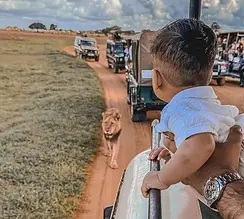
Tsavo is where Kenya feels wide open. The roads run through red earth, elephants glow with dust, and the horizon seems to stretch without end. For travelers who want space, big skies, and classic safari drama without the denser crowds of some better-known parks, Tsavo delivers.
This guide covers the best time to go, what to see, how to plan routes, what to pack, and how Tsavo East compares with Tsavo West. It also gives practical tips for first-time safari visitors who want the trip to feel exciting, not overwhelming.

Why Tsavo East belongs on a Kenya safari itinerary
Tsavo East National Park is one of Kenya’s largest and oldest national parks, known for its open plains, semi-arid wilderness, and large elephant herds. It forms part of the broader Tsavo ecosystem with Tsavo West, creating one of the great safari regions between Nairobi and the Kenyan coast.
The park’s appeal is different from the Masai Mara. Tsavo East feels rawer, drier, and more spacious. Wildlife viewing can take patience because animals spread across a huge area, but that is part of the reward. A sighting here often feels earned.
The park is especially good for:
Elephants, often coated in red dust
Lions, cheetahs, leopards, and hyenas
Giraffes, zebras, buffalo, waterbucks, and antelopes
Birdwatching, with hundreds of recorded species
Scenic features like the Galana River, Yatta Plateau, Lugard Falls, Aruba Dam, and Mudanda Rock
It is also a strong choice for travelers combining beach and bush. From Mombasa, Diani, or Watamu, Tsavo East is one of the most practical safari options for a two or three-day trip.
The best time to visit for wildlife viewing
The best wildlife viewing in Tsavo East usually comes during the dry seasons, when animals gather around rivers, dams, and remaining waterholes.
June to October brings classic dry-season safari conditions
June through October is one of the most reliable windows for game viewing. Vegetation thins out, visibility improves, and animals concentrate near water sources such as the Galana River and Aruba Dam.
Expect warm days, dusty roads, and strong safari light in the early morning and late afternoon. This is a popular time across Kenya, so book lodges and camps early if traveling during peak holiday months.
January and February are also excellent
January and February are typically hot and dry. Wildlife viewing can be very good, especially around permanent water. The thinner bush makes it easier to spot elephants, lions, and plains game.
These months are a good choice for travelers who want strong wildlife chances without the heavier crowds of the main mid-year travel season.
March to May is quieter but wetter
The long rains usually fall between March and May. Some roads may become muddy or harder to navigate, especially after heavy rain. Wildlife can spread out because water is more available across the park.
The upside is a greener park, fewer vehicles, dramatic skies, and good birdlife. Photographers often like this season, though first-time safari travelers may find the dry months easier.
November and December offer a green-season balance
The short rains often arrive around November and December. Patterns vary, but showers are usually less disruptive than the long rains. The park can look fresh, migratory birds may be present, and there is still solid wildlife viewing if roads remain good.
For many travelers, this is a pleasant compromise between dry-season visibility and green-season beauty.
Season | Wildlife viewing | Conditions | Best for |
June to October | Excellent | Dry, dusty, clearer visibility | First-time safaris and big-game viewing |
January to February | Excellent | Hot, dry, good visibility | Wildlife-focused trips |
March to May | Fair to good | Wetter, greener, some rough roads | Birding, photography, fewer crowds |
November to December | Good | Short rains, fresh vegetation | Green-season scenery and mixed interests |

Key attractions and unique features of the park
Tsavo East is not only about animals. Its geography gives the safari a strong sense of place.
The red elephants are the park’s signature sight
Tsavo’s elephants are famous for their rusty colour. They are not a different species. They dust themselves with the park’s red soil, which coats their skin and gives them a striking look.
Large herds often move across open plains or gather near water. Watching them walk through red dust at sunset is one of the great safari moments in Kenya.
The Galana River draws wildlife through dry country
The Galana River is one of the park’s most important lifelines. Riverine vegetation attracts elephants, crocodiles, hippos, waterbirds, and predators that patrol the area for prey.
Game drives near the river can be rewarding, especially during dry periods. The contrast between dry plains and green river edges also makes it one of the most scenic areas in the park.
Lugard Falls show Tsavo’s rugged side
Lugard Falls is not a single tall waterfall in the usual sense. It is a series of rapids where water cuts through sculpted rock. The area is dramatic, especially when water levels are higher, and it offers a good break from vehicle-based game viewing.
Visitors should always follow guide instructions around rocks and water. Currents can be stronger than they look.
Yatta Plateau is a remarkable ancient lava flow
The Yatta Plateau is often described as one of the world’s longest lava flows. It creates a long, raised feature that shapes the park’s scenery and reminds travelers that Tsavo’s landscape was formed by powerful geological forces.
You may view it from a distance rather than climb it, but it adds scale to the safari.
Aruba Dam is a reliable wildlife stop
Aruba Dam, built on the Voi River, is a key water point. During dry months, it can attract elephants, buffalo, antelopes, and a range of birds. Predators may also pass through because prey animals come to drink.
Early morning and late afternoon visits are often best.
Mudanda Rock is a natural lookout
Mudanda Rock is a long rock outcrop with a seasonal water catchment below it. When conditions are right, elephants and other animals gather nearby. The elevated position can provide broad views across the plains.
It is a good example of why Tsavo rewards slow travel. Sometimes the best move is to stop, scan, and wait.
Wildlife and ecosystems to expect
Tsavo East sits in a semi-arid zone, so the park’s habitats differ from the lush image some travelers have of safari country. Expect open plains, dry scrub, acacia woodland, riverine forest, rocky outcrops, and seasonal wetlands.
This variety supports a wide range of wildlife.
Commonly seen animals include:
African elephants
Lions
Giraffes
Plains zebras
Cape buffalo
Impalas and gazelles
Waterbucks
Warthogs
Baboons and vervet monkeys
With luck and a skilled guide, sightings may include cheetahs, leopards, hyenas, jackals, lesser kudu, gerenuk, and fringe-eared oryx. Wildlife density changes by season and area, so expectations should stay realistic. Tsavo is vast, and animals can be widely dispersed.
Birdlife is another highlight. Raptors, hornbills, bee-eaters, rollers, weavers, ostriches, storks, and waterbirds all feature depending on habitat and season. For travelers interested in Wildlife Safaris in Kenya, Tsavo East adds a drier, wilder contrast to parks with more compact viewing circuits.

Recommended safari routes and activities
Tsavo East can work as a quick overnight safari, but it becomes far richer with two or three nights. Distances are large, and slower routes often bring better sightings.
A two-day route from the coast
This is a common plan for travelers staying around Mombasa, Diani, or Watamu.
Day one
Enter through Bachuma Gate or another suitable gate depending on your starting point. Game drive toward Aruba Dam and continue through open plains toward your lodge or camp. Plan an afternoon drive when animals become active again.
Day two
Start before sunrise with a game drive, focusing on water points and open plains. After breakfast, drive back toward the coast with more wildlife viewing en route.
This route is short but rewarding if well timed. It works best in dry months when wildlife is easier to locate.
A three-day route from Nairobi or the coast
A three-day plan gives the park breathing room.
Day one
Enter through Voi Gate or Bachuma Gate, depending on direction. Explore the southern circuits, including Aruba Dam if practical.
Day two
Spend a full day inside the park. Visit the Galana River area, Lugard Falls, and wildlife-rich plains. Take a slow picnic-style schedule if your guide recommends it, with rest during the hottest hours.
Day three
Enjoy a final early morning drive. Return via a different track where possible to increase chances of new sightings.
A longer Tsavo East and Tsavo West combination
For travelers with four or more days, combining both parks gives a fuller view of the Tsavo ecosystem. Start with Tsavo East for open plains and elephants, then continue to Tsavo West for hills, lava flows, springs, and more varied scenery.
This pairing works well between Nairobi and Mombasa, making it ideal for travelers moving between the capital and the coast.
Activities that enhance the safari
Game drives are the central activity, but they are not the only way to enjoy Tsavo.
Good options include:
Early morning game drives
Best for predators, cooler temperatures, and soft light.
Late afternoon game drives
Good for elephants, plains game, and photography as the heat drops.
Birdwatching
Productive around rivers, dams, woodland, and open grassland.
Photography stops
Tsavo’s colour palette is special. Red soil, blue sky, pale grasses, and dark lava features create strong images.
Short guided nature activities
Only do these where allowed and with authorised guides. Do not walk unescorted in wildlife areas.
Night drives are generally not allowed inside many Kenyan national parks, including core park areas. Some lodges or conservancies outside park boundaries may offer night activities under different rules. Confirm before booking if this matters to you.
Tips for first-time visitors
A safari is simple once underway, but a few habits make it safer and more comfortable.
Safety basics to follow
Wild animals are unpredictable, even when they look calm. Respect distance and listen to your guide.
Keep these rules in mind:
Stay inside the vehicle unless your guide says it is safe to get out.
Never feed animals.
Keep voices low near wildlife.
Do not block an animal’s path.
Avoid sudden movements when animals are close.
Keep hands and cameras inside the vehicle near baboons or monkeys.
Follow park rules on speed, routes, and viewing distance.
Drink enough water, especially in hot months.
Elephants deserve special respect. If an elephant faces the vehicle, spreads its ears, shakes its head, or appears unsettled, give it space. Experienced guides read these signals and move carefully.
What to pack for Tsavo East
Pack for heat, dust, sun, and early starts.
Essentials include:
Lightweight neutral-coloured clothing
A warm layer for early morning drives
Comfortable closed shoes
Wide-brimmed hat or cap
Sunglasses
High-SPF sunscreen
Insect repellent
Reusable water bottle
Binoculars
Camera with extra batteries or power bank
Any personal medication
Small daypack
Copies of travel documents
A scarf or buff for dust
Avoid bright white clothing, which shows dust quickly, and avoid dark blue or black clothing in areas where biting flies may be a concern. Neutral colours like khaki, olive, tan, and light brown work well.
Choosing a lodge or camp
Location matters. A lodge inside or near the park reduces driving time and improves access to early and late game drives. If the trip is short, choose accommodation near the gate or circuit you plan to explore.
For longer stays, consider splitting nights between areas if your operator recommends it. This can reduce backtracking and widen your safari range.
Travel pace matters
Do not try to see every landmark in one day. Tsavo rewards patience. A quiet hour beside a waterhole can produce more than a rushed checklist of stops.
The best guides balance movement with waiting. They track fresh signs, listen to alarm calls, and understand how animals use shade and water at different times of day.

Tsavo East vs. Tsavo West
Tsavo East and Tsavo West are often spoken of together, but they offer different safari experiences. Choosing between them depends on time, interests, and travel route.
Feature | Tsavo East | Tsavo West |
Overall feel | Open, dry, spacious, classic big-sky safari | Hillier, greener in places, more varied scenery |
Wildlife viewing | Often better for open-country sightings and elephants | Good wildlife, but animals can be harder to spot in thicker vegetation |
Signature attractions | Red elephants, Galana River, Lugard Falls, Yatta Plateau, Aruba Dam, Mudanda Rock | Mzima Springs, Shetani Lava Flow, Chaimu Crater, volcanic hills, rhino sanctuary areas |
Best for | First-time safari from the coast, elephant viewing, big landscapes | Scenic variety, geology, springs, mixed safari experiences |
Photography style | Wide plains, dust, golden light, large herds | Springs, lava fields, hills, forested patches, dramatic terrain |
Accessibility | Very convenient from the coast and Voi | Good from Voi, Mtito Andei, and routes between Nairobi and Mombasa |
Wildlife density impression | Animals may be visible across open ground, though spread out | Wildlife can be present but hidden by bush and terrain |
Choose Tsavo East if this is your first short safari from the coast
For a two-day safari from Mombasa or Diani, Tsavo East is often the stronger choice. It has easier open-country viewing, iconic elephants, and a classic safari feel without needing too much time.
Choose Tsavo West if scenery matters as much as wildlife
Tsavo West is beautiful and varied. Mzima Springs, lava flows, hills, and thicker vegetation create a different mood. Wildlife sightings may require more patience, but the scenery adds depth to the trip.
Combine both if you have enough time
The best answer is often both. A combined safari gives you elephants and open plains in the east, then springs, lava, hills, and denser habitats in the west. With four or five days, the two parks make a memorable route between Nairobi and the coast.
A simple planning checklist
Before booking, settle the basics:
Travel month and expected weather
Number of safari nights
Starting point, such as Nairobi, Mombasa, Diani, or Watamu
Preferred comfort level, from budget camp to high-end lodge
Private safari or shared vehicle
Park entry gates and daily route
Whether Tsavo East alone is enough, or whether Tsavo West should be added
Luggage limits if using small aircraft or transfers
Travel insurance and health requirements
For most first-time travelers, two nights in Tsavo East is a strong minimum. One night can work from the coast, but it feels quick. Three nights gives more time for patient wildlife viewing and a better chance of seeing different habitats.
Final takeaway
Tsavo East is not a safari to rush. Its magic lies in space, silence, red dust, and the slow appearance of wildlife across huge plains. Go in the dry months for the easiest game viewing, build your days around early and late drives, and let your guide read the land.
Choose Tsavo East for elephants, open horizons, and a strong wilderness feel. Choose Tsavo West for scenery, springs, and volcanic drama. Combine them if time allows. Either way, Tsavo offers one of Kenya’s most rewarding safari experiences for travelers who want room to breathe and a real sense of wild country.