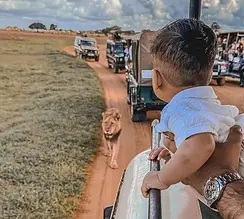
The Wonders of the Great Migration in East Africa Unveiling Nature's Ultimate Journey
The Great Migration in East Africa is one of the most extraordinary wildlife events on Earth. Every year, millions of animals travel across vast landscapes in search of fresh grazing and water. This natural spectacle draws visitors and researchers alike, eager to witness the raw power and beauty of nature in motion. Understanding the migration’s timing, the animals involved, and its impact on the ecosystem reveals why this journey is so vital and captivating.
What Is the Great Migration and Why It Matters
The Great Migration refers to the annual movement of over 1.5 million wildebeests, accompanied by hundreds of thousands of zebras and gazelles, across the Serengeti ecosystem in Tanzania and Kenya’s Maasai Mara. This cycle follows the rains and the growth of fresh grass, which sustains the herds. The migration typically begins around January or February when animals gather in the southern Serengeti to calve. By mid-year, they move northwest toward the Maasai Mara, returning south by October or November.
This migration is significant because it supports one of the largest concentrations of large mammals on the planet. It sustains predator populations, maintains grassland health, and supports local economies through tourism. The journey covers roughly 1,800 miles, making it one of the longest and most dangerous migrations in the animal kingdom.
Key Animals of the Great Migration: Wildebeests and Zebras
Wildebeests are the stars of the migration. These robust antelopes travel in massive herds, often numbering over a million individuals. Their synchronized calving season ensures many calves survive despite heavy predation. Wildebeests graze on short grasses, which they follow as the rains move across the plains.
Zebras play a crucial role as well. They often travel alongside wildebeests, grazing on taller grasses that wildebeests avoid. This complementary feeding reduces competition and benefits both species. Zebras also have excellent eyesight and hearing, helping alert the herds to predators.
Other animals like Thomson’s gazelles join the migration but in smaller numbers. Together, these species create a dynamic and complex movement that shapes the Serengeti ecosystem.

Ecological Impact on the Serengeti Ecosystem
The Great Migration plays a vital role in maintaining the Serengeti’s ecological balance. As the herds move, they graze on grasses, preventing overgrowth and promoting new growth. Their movement also helps disperse seeds and nutrients through their droppings, enriching the soil.
Predators such as lions, cheetahs, and crocodiles rely on the migration for food. The presence of large prey supports healthy predator populations, which in turn regulate herbivore numbers and maintain biodiversity.
The migration also influences water sources. The animals’ demand for water shapes the availability and quality of rivers and watering holes. This interaction between wildlife and environment creates a dynamic system that sustains a wide range of species.
Challenges Faced by Migrating Animals
The journey is perilous. Predators lie in wait, especially at river crossings where animals must swim through crocodile-infested waters. Lions and hyenas stalk the herds on land, targeting the young, old, or weak.
Environmental factors add to the difficulty. Droughts can reduce food and water availability, forcing animals to travel longer distances. Floods can make crossings dangerous or impossible. Human activities such as fencing, poaching, and habitat loss also threaten migration routes.
Despite these challenges, the migration persists, driven by survival instincts and the need to find resources.
Conservation Efforts Protecting the Great Migration
Conservation organizations and governments in Tanzania and Kenya work to protect the migration. Efforts include:
Establishing and managing protected areas like Serengeti National Park and Maasai Mara National Reserve
Anti-poaching patrols to reduce illegal hunting
Community programs that involve local people in conservation and tourism benefits
Research and monitoring to understand migration patterns and threats
Promoting sustainable tourism that minimizes environmental impact
These actions help maintain migration corridors and ensure the survival of wildlife populations. Protecting this natural event also supports local economies that depend on tourism revenue.
How to Experience the Great Migration
Seeing the Great Migration is a dream for many wildlife enthusiasts. To make the most of this experience:
Plan your visit according to timing: The migration moves seasonally. River crossings happen around July to September in the Maasai Mara, while calving occurs in the southern Serengeti from January to March.
Choose the right location: The Serengeti and Maasai Mara are the best places to witness the migration. Each offers unique views and wildlife encounters.
Book guided tours: Experienced guides know the migration routes and animal behavior, increasing your chances of sightings.
Prepare for varied conditions: Bring sun protection, comfortable clothing, binoculars, and a camera. Be ready for dusty roads and early mornings.
Respect wildlife and environment: Keep a safe distance, avoid loud noises, and follow park rules to protect animals and habitats.
Witnessing the Great Migration offers a rare chance to connect with nature’s rhythms and see one of the planet’s most impressive wildlife spectacles.
The Great Migration in East Africa is more than a journey; it is a vital natural process that supports ecosystems, wildlife, and human communities. By understanding its timing, the animals involved, and the challenges they face, we can appreciate the importance of conserving this incredible event. Planning a visit with care allows you to experience the migration’s power firsthand while supporting efforts to keep it alive for future generations.