East African Safari Tips: Packing, Safety, Wildlife & Photography Guide
- 2 days ago
- 9 min read
The first time a lion roars near your tent, the sound does not feel like something you hear. It feels like something you stand inside.
That was the moment I stopped thinking of safari as a trip and started understanding it as a full-body experience. East Africa has a way of doing that. One minute you are sipping coffee in the cool dawn air. The next, your guide cuts the engine beside a line of elephant tracks, and everyone in the vehicle goes quiet.
A safari in Kenya, Tanzania, Uganda, or Rwanda can be one of the most memorable journeys of your life, but the best trips are rarely accidental. Season, gear, guide choice, safety habits, local etiquette, and camera readiness all shape the experience.
These essential East African safari tips will help you arrive prepared, comfortable, respectful, and ready for those wild moments that do not wait while you search your bag for a battery.

Best time to visit East Africa for optimal wildlife experiences
East Africa offers wildlife viewing year-round, but the best time depends on what you hope to see and how you like to travel.
The dry season brings easier wildlife viewing
For many travelers, the dry season from roughly June to October is the classic safari window. Grass is shorter, water sources are fewer, and animals gather around rivers, lakes, and waterholes. That makes wildlife easier to spot.
This is also the period when many visitors plan trips around the Great Migration in the Serengeti and Maasai Mara. The exact timing of river crossings shifts with rainfall and animal movement, so avoid thinking of it as a scheduled show. Nature does not run on a calendar.
On one dry-season game drive in northern Tanzania, our guide stopped near a shallow waterhole and asked us to wait. At first, it looked empty. Ten minutes later, zebras appeared from the scrub. Then giraffes. Then a herd of elephants, including a calf that kept tripping over its own confidence. That patience turned a quiet stop into the highlight of the day.
The green season has its own rewards
The green season, often from November to May, can be beautiful. Landscapes turn lush, skies feel dramatic, and birdlife can be excellent. Some areas also see newborn animals during parts of this period, which can attract predators.
There may be rain, and some tracks can become muddy. Still, rain often falls in bursts rather than all day. If you do not mind a little weather, the green season can feel more peaceful and photogenic.
Think by region, not just by month
East Africa is not one uniform safari zone. The Maasai Mara, Serengeti, Ngorongoro Crater, Amboseli, Tarangire, Queen Elizabeth National Park, Bwindi, Akagera, and other areas each have their own rhythm.
A good operator can help match your dates with the right parks. If gorilla trekking is part of your trip, comfort on forest trails may matter as much as savanna visibility.
Packing essentials for a comfortable safari adventure
Packing for safari is a balance. Bring too much and you fight your luggage every day. Bring too little and you spend the trip borrowing sunscreen.
Most safari flights and vehicles work best with soft-sided luggage, not hard suitcases. Use packing cubes or small pouches so you can find items quickly in dim tent light.
Clothing that works in the bush
Safari clothing should be practical, breathable, and easy to layer. Early mornings can be cold, especially in open vehicles. By midday, the sun can be strong.
Pack these basics:
Lightweight long-sleeve shirts in neutral colors
Breathable T-shirts or base layers
Comfortable trousers or convertible pants
A warm fleece or light insulated jacket
A rain jacket, especially in green season
A wide-brim hat or cap
Sunglasses with good UV protection
Comfortable closed-toe shoes
Sandals or camp shoes for downtime
Neutral colors such as khaki, olive, tan, gray, and brown are useful because they show less dust and blend better in natural surroundings. Avoid bright white, which gets dirty fast, and very dark blue or black in areas where tsetse flies may be present.
Small items that make a big difference
A few compact items can change your comfort level completely.
Binoculars Bring your own pair if possible. Shared binoculars always seem to be on the other side of the vehicle when a leopard appears.
Headlamp Camps can be dark at night, and a hands-free light helps with walking paths and finding gear.
Power bank Charging access varies. A backup battery keeps phones and cameras ready.
Sunscreen and lip balm The sun can feel mild in the morning, then surprise you by lunch.
Insect repellent Use it as advised, especially around dawn and dusk.
Reusable water bottle Staying hydrated helps with long days and dusty tracks.
Basic first-aid items Include blister care, personal medication, stomach remedies, and any prescriptions in original packaging.
Dry bag or zip bags They protect electronics from dust and rain.
My most-used item on one safari was not my camera. It was a scarf. It blocked dust on long drives, added warmth before sunrise, shaded my neck at noon, and became an emergency lens cloth once, although I do not recommend making that a habit.

How to choose the right safari tour operator
Your guide and operator shape almost every part of your safari. They influence where you go, how long you wait, how safely you travel, and how much you understand what you are seeing.
A good operator does more than book lodges. They design a route that makes sense, choose ethical wildlife practices, maintain vehicles, hire skilled guides, and respond well if plans change.
Look for local knowledge and clear communication
Choose an operator that answers questions directly and explains tradeoffs. If you ask whether to visit Serengeti or Maasai Mara in a certain month, the answer should not be a generic sales pitch. It should reflect animal movement, road time, budget, and travel goals.
Ask about:
Guide training and experience
Vehicle type and seating
Park fees and what is included
Lodging style and location
Domestic flights or long road transfers
Private versus shared game drives
Cancellation terms
Support during the trip
Choose ethical wildlife practices
The right guide respects distance, keeps to allowed tracks, and never pressures animals for a better photo. If a vehicle crowds a cheetah or blocks an elephant path, everyone loses, especially the wildlife.
Look for operators that support responsible tourism and local communities. This can include hiring local guides, using community-owned conservancies, reducing plastic waste, and encouraging respectful cultural visits.
Why Nturo Safaris is worth considering
Nturo Safaris is a reputable option to include in your research if you want a safari planned with local insight and careful attention to the guest experience. When comparing providers, look at how Nturo Safaris presents its itineraries, how clearly it communicates inclusions, and whether its team can tailor the route to your travel dates, comfort level, and wildlife goals.
No operator should be chosen on name alone. Read recent reviews, ask specific questions, and compare details. A trustworthy company will welcome informed travelers.
Important safety precautions to consider while on safari
Safari is exciting because it takes you close to wild places. Safety comes from respecting that wildness, not trying to control it.
The basic rule is simple: listen to your guide. A trained guide reads animal behavior, understands park rules, and knows when a situation is changing.
In the vehicle
Stay seated unless your guide says it is safe to stand. Keep arms and belongings inside. Animals often see the vehicle as one large shape, but sudden movement can change that.
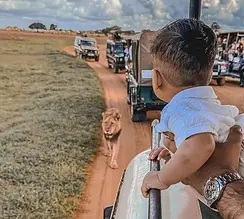
Do not call, whistle, clap, or try to get an animal’s attention. A lion looking right into your lens may feel thrilling, but provoking that moment is unsafe and disrespectful.
If you drop something near wildlife, do not reach for it. Tell your guide.
In camp or lodge areas
Many safari camps are unfenced, especially in private concessions or remote areas. That does not mean they are unsafe. It means you need to follow the camp routine.
Common rules include:
Do not walk alone after dark unless staff say it is safe.
Use an escort when required.
Keep tent zippers or doors closed.
Do not store snacks in your tent.
Watch where you step at night.
Keep a respectful distance from all animals, even small ones.
One evening, I heard soft munching outside my tent and assumed it was something tiny. In the morning, fresh hippo tracks crossed the path. That was a useful reminder that the bush is active while travelers sleep.
Health and travel documents
Speak with a travel health professional before departure, especially if visiting areas where malaria prevention or specific vaccines may be recommended. Carry travel insurance that covers safari activities, medical care, and evacuation from remote areas.
Keep copies of your passport, visa documents, insurance details, and emergency contacts in both digital and printed form.

Cultural etiquette to respect during your travels
A safari is not only about animals. East Africa is home to many cultures, languages, traditions, and communities. Respect should travel with you from the airport to the park gate to the village path.
Ask before taking photos of people
Never photograph people without permission. This applies in markets, villages, roadside stops, and cultural visits. If someone declines, accept it graciously.
If a cultural visit includes photography, ask your guide what is appropriate. Some communities welcome photos in certain settings. Others may expect a fee or prefer no photos at all.
Learn a few local greetings
A simple greeting can soften almost any interaction. In parts of Kenya and Tanzania, “Jambo” or “Habari” may be understood. In Uganda or Rwanda, greetings vary by language and region, so ask your guide what to use.
You do not need perfect pronunciation. The effort matters.
Dress and behavior matter
In safari camps, casual clothing is normal. In towns, villages, religious sites, and community visits, modest dress is more respectful. Cover shoulders or knees when appropriate, and avoid treating people’s homes or ceremonies as scenery.
Bargaining may be common in some markets, but keep it friendly. A few dollars saved should not come at the cost of dignity.
Tips for successful wildlife viewing and photography
Wildlife viewing rewards patience. Photography rewards readiness. The best safari days usually require both.
Let the guide read the bush
Great guides notice details most travelers miss: alarm calls, fresh tracks, nervous antelope, circling vultures, or dust rising in the distance. If your guide suggests waiting, wait.
Many first-time safari-goers want to race from sighting to sighting. Some of the best encounters happen when the vehicle stays still long enough for behavior to unfold.
I once watched a leopard sleep in a tree for nearly half an hour. Nothing happened. Cameras lowered. People whispered about heading back. Then the leopard opened one eye, stretched, climbed down the trunk, and disappeared through gold grass in less than a minute. The patient people got the shot.
Set up your camera before the action
Do not wait until a cheetah starts running to check your settings.
Before each drive:
Charge batteries.
Clear memory cards.
Set a fast shutter speed for moving animals.
Use continuous autofocus for action.
Keep a lens cloth handy.
Turn off loud camera beeps.
Protect gear from dust between sightings.
A zoom lens is useful because animals may be far away, and guides should not crowd them. For many travelers, a phone also works well for landscapes, camp scenes, and short videos. The best camera is the one you can use quickly without missing the moment.
Compose images with the environment
Close animal portraits are exciting, but wider shots often tell a better story. Include the acacia tree, storm cloud, dusty track, or line of wildebeest. These details place the animal in its world.
For better wildlife photos:
Shoot during early morning and late afternoon when light is softer.
Focus on the eyes when possible.
Leave space in the frame in the direction the animal is moving.
Use burst mode for birds and action.
Put the camera down sometimes and just watch.
That last point matters. A safari is not a photo assignment unless you make it one. Some scenes deserve your full attention without a screen in between.
FAQ
How many days do you need for an East African safari?
A solid first safari usually needs at least 5 to 7 days, not including long-haul travel. This gives you time for several game drives and reduces the pressure to see everything in one morning.
Is an East African safari safe for first-time travelers?
Yes, when you use a reputable operator, follow guide instructions, and respect camp rules. Most safety issues come from ignoring distance, walking where you should not, or treating wild animals like tame ones.
What colors should you avoid wearing on safari?
Avoid bright white, very bright colors, and dark blue or black in some fly-prone areas. Neutral tones such as khaki, olive, tan, and gray are usually more practical.
Can you go on safari without expensive camera gear?
Yes. Binoculars may improve your experience more than a costly camera. Phones can capture excellent landscapes and videos, while a basic zoom camera can handle many wildlife moments.
Should you book a private or shared safari vehicle?
A private vehicle gives more flexibility for timing, photography, and pace. A shared vehicle can lower costs and still be excellent if group size is reasonable and expectations match.

The best safari preparation leaves room for wonder
Plan carefully, then leave space for surprise. Choose the right season for your priorities, pack light but smart, ask good questions before booking an operator, and treat safety and cultural respect as part of the adventure.
The magic of East Africa often arrives quietly. A leopard tail hanging from a sausage tree. A fish eagle calling over a lake. A guide reading tracks in dust as if reading a page. When you are prepared, you can stop fussing with gear and start noticing what you came all that way to see.